22 Crissey Ave, Suite 100, Geneva, IL 60134
 630-448-2406


Recent Blog Posts
Signs You Should Get an Emergency Order of Protection During Your Divorce
 Domestic violence is more common than many people realize. Husbands and wives in abusive marriages often keep quiet about the abuse due to fear, embarrassment, or a desire to protect their spouse. Unfortunately, abuse tends to escalate - especially when an abused spouse tries to leave the relationship.
Studies show that three-quarters of all serious injuries caused by abuse occur when the victim tries to end the relationship. Divorce can prove to be a very dangerous time for victims of domestic abuse. If you are in the process of divorcing an abusive partner, it is important to seek legal protection. An emergency order of protection (EOP) may be necessary to ensure your safety and the safety of your children.
Indications it May Be Time to Seek Legal Protection Through an EOP
Illinois law defines abuse as physical abuse, harassment, intimidation of a dependent, interference with personal liberty or willful deprivation. Physical violence is not the only type of abuse that may warrant a protective order.
FAQs About Parentage in Illinois
 The term paternity refers to the legal father-child relationship. “Parentage” is the gender-neutral term currently used in Illinois law to refer to the legal parent-child relationship. Paternity or parentage may be established in a variety of ways. In some situations, parentage is automatically established. In other cases, parents must complete certain steps to establish parentage. There are many benefits associated with establishing parentage, and parents who have not established parentage are limited with regard to their parental rights.
Do I Need to Do Something to Establish Parentage?
Parentage is assumed in certain situations. In Illinois, if a man is married to the mother of a child at the time of birth and his name appears on the birth record, parentage is automatically established. However, unmarried parents may need to take additional steps to establish parentage.
How Do You Set Up Parentage or Paternity?
Charitable Trusts: Leaving a Legacy Through Your Estate Plan
 Giving to charity through an estate plan allows a person to leave a lasting impact beyond their own lifetime. Charitable trusts are one of the most powerful and effective estate planning tools for those who want to give back to those in need. A charitable trust is an irrevocable trust that provides tax benefits for both the donor and the charity receiving the funds. If you are interested in giving money or other assets to charity, work with an estate planning lawyer who can provide the guidance you need.
Basics of Charitable Trusts in Illinois
When you create a charitable trust, it must be in writing and must meet the criteria set by Illinois law. It must also meet the qualifications of a charitable organization, which means that it must have an independent board to oversee investments, spending, and donations. The trust should specify the types of charities that can receive funds from it, as well as any restrictions for those contributions.
Modifying Your Divorce Decree After Being Laid Off from Work
 Amazon, Meta, Twitter, Peloton, and several other companies have announced massive layoffs in recent months. Many employees were let go from jobs with little to no warning, leaving them bewildered and unsure of what to do next.
If you were recently fired or laid off from your job, you know just how upsetting it can be. Many people in this situation have child support or spousal support obligations. Affording support payments after a job loss or income reduction can be extremely difficult, and sometimes impossible. Fortunately, you may be able to modify your divorce decree to reduce your financial obligations.
Changing Your Illinois Child Support Order
Child support payments are intended to help provide for the child. Consequently, Illinois courts consider child support a child’s right and modifications are only granted under certain circumstances. You can modify your child support order if there is a “substantial change in circumstances.” Typically, a significant change in the income of either parent justifies a child support modification. However, Illinois courts treat voluntary unemployment differently than involuntary unemployment. Parents who intentionally quit their job or take a lesser-paying job to reduce their child support obligation are not looked upon favorably and the court may deny a modification request in this situation.
Can I Legally Adopt My Stepchild?
 Stepparent adoption refers to the adoption of the child of one's spouse. Stepparent adoptions are often done when the biological parent cannot be found or has abandoned the child, or if there is a need to change the legal relationship between the stepparent and stepchild. Although many stepparents are closer to their stepchildren than the child's biological parents, stepparents have very few legal rights. For example, if a stepfather helps raise a stepson and then he and the child's mother divorce, the stepfather has no right to parenting time with the child.
Fortunately, Illinois law offers a legal avenue for stepchild adoption. Once a stepparent adopts a child, he or she gains all of the rights and responsibilities associated with being a parent. If you are interested in adopting your stepchild, read on to learn more.
Illinois Stepparent Adoption Laws
To adopt your stepchild in Illinois, you must meet the following requirements:
Dissipation of Assets: Wasteful Spending in an Illinois Divorce
 If you are getting divorced, statistics show that financial problems likely played a role. Money problems are one of the most common reasons why marriages end, and they can be a massive source of stress during the divorce process.
To make matters worse, some spouses will try to spend as much money as possible before the divorce is final in an attempt to prevent their ex from getting a fair share. Other spouses spend money on a new boyfriend or girlfriend or on expensive gifts for themselves. This is known as dissipation of assets, and it can have a major impact on the division of property in a divorce.
What is Dissipation of Assets?
The word dissipation means to waste or to use up. In the context of divorce, dissipation of assets occurs when one spouse uses marital property for his or her own benefit and not for the benefit of the marriage. This can include spending money on a new relationship, buying expensive gifts, or going on lavish vacations. Dissipation is a common issue in divorce cases involving infidelity. For example, if a spouse bought an affair partner an expensive diamond necklace, this may be considered dissipation.
Are No-Contest Clauses Legal in Illinois Wills?
 It is important for everyone to have a last will and testament. A will allows you to determine exactly how your assets are distributed to loved ones after you pass away. Furthermore, having your wishes established in writing prevents family members and other loved ones from having to guess how you would want asset distribution handled.
Unfortunately, even the most detailed will cannot completely eliminate the chances of someone being upset regarding the will’s directives. Family members may feel that they were given an unfair share of your estate or otherwise disagree with the decisions you have made. They may contest the will in court, claiming that the will is not valid and should be thrown out.
If you are worried about people contesting your will after your death, one option you have in Illinois is a “no contest” clause.
Using a No-Contest Clause to Discourage Challenges to the Will
What Temporary Relief May be Granted During a Divorce in Illinois?
 Historically, a spouse who does not work for pay or earns relatively little would face significant barriers when seeking a divorce. Up until the relatively recent past, women were likely to be financially dependent on their husbands and would have faced intense hardship in trying to leave a marriage. Now, while either or both spouses may enjoy a career, many families still divide household duties so that one party may primarily focus on domestic labor while the other works for pay. It can still be challenging for the party who earns less income to leave. Not many largely dependent spouses have sufficient funds to move out of the marital home and begin a new life without needing some form of spousal or child support from their spouse - before the divorce is finalized. In Illinois, temporary support can be ordered during a divorce in many cases where it is needed. If you are interested in pursuing a divorce but would need assistance while the divorce is in progress, an attorney may be able to help.
4 Types of Adoption Offered in Kane County
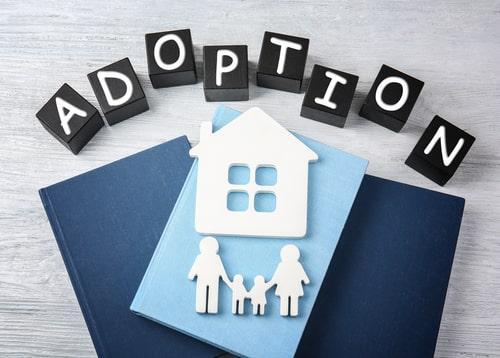 Adopting a child can be a joyous occasion for families who have been pursuing parenthood for extended periods of time. However, some adoptions occur because they are necessary rather than a long-pursued outcome. Other types of adoptions are nontraditional, allowing a child’s birth parents continued contact. There are multiple paths to parenthood in Kane County. Each prospective adopter must carefully consider how each type of adoption may suit their lifestyle and plans for the future. If you are considering adopting a child, it is important to carefully consider each type of adoption in order to assess what is right for you and your existing family. Adopting is not designed to be an expedient and inexpensive process, but rather, to ensure that children eligible for adoption will be placed in suitable homes. Before you initiate the adoption process, it may be wise to speak with an attorney.
Different Types of Adoption for Different Family Needs
Who Inherits My Assets if I Pass Away Without an Estate Plan?
 Generally, leaving behind no will (intestacy) is a poor idea. Even if the people who ultimately inherit from you under intestacy law are the people you would have wanted to inherit from you, not having a will or a trust that controls your estate property is going to make things more difficult for them. It is not easy to pass an intestate estate through the probate courts. There is a high level of court supervision involved in this process, and this can slow things down significantly. It could take a year or more in some cases before your surviving family members can claim anything that belonged solely to you. Intestacy is meant to be the “default” estate plan. It is designed to match what the state thinks you probably would have wanted but is rife with imperfections. If you do not already have an estate plan, the time to speak to an attorney is now.
Understanding Illinois Intestacy Code


From our office in Geneva, we serve clients throughout Northern Illinois, including Plainfield, Sugar Grove, Shorewood, Joliet, Rockdale, Crest Hill, Aurora, Big Rock, Plano, Yorkville, Bristol, Naperville, Will County, and Kane County.

Contact Our Firm
 The use of the Internet or this form for communication with the firm or any individual member of the firm does not establish an attorney-client relationship. Confidential or time-sensitive information should not be sent through this form.
I have read and understand the Disclaimer and Privacy Policy.